7 Unbelievable Tulip Facts That Will Captivate Your Mind
Posted on 02/06/2025
7 Unbelievable Tulip Facts That Will Captivate Your Mind
Tulips--with their vibrant hues, delicate petals, and graceful charm--are one of the most beloved flowers worldwide. But behind their aesthetic appeal lies a fascinating history and a world of unexpected stories that have amazed botany enthusiasts and casual admirers alike. In this comprehensive article, we reveal seven mind-blowing tulip facts that showcase why these blossoms are not just stunning to look at but are also packed with intriguing secrets. If you're searching for surprising tulip information, prepare to be captivated!
1. Tulip Mania: The World's First Financial Bubble
One of the most unbelievable tulip facts is their connection to the first recorded economic bubble, aptly named Tulip Mania. In the early 17th century, tulips became a symbol of elite status in the Netherlands. Their rarity and exotic allure led to a speculative craze, with tulip bulbs being traded for the price of mansions.
- At its peak in 1637, some rare tulip bulbs were worth more than gold.
- The most prized variety, the Semper Augustus, was so rare that only a few existed, fetching astronomical prices.
- Eventually, the market crashed overnight, wiping out fortunes and causing widespread economic turmoil.
This extraordinary episode cemented tulips in financial history and served as a cautionary tale about the dangers of speculative investment bubbles. Today, Tulip Mania remains a subject of economic study and a testament to the flower's astounding influence on society.
2. Tulips Aren't Originally from the Netherlands
While the Netherlands--dubbed as the land of tulips--is synonymous with these exquisite flowers, many people are surprised to learn that tulips are not native to Dutch soil.
The origin story of tulips traces back to the mountainous regions of Central Asia. Wild tulip species flourished in countries such as Kazakhstan, Iran, Afghanistan, and Turkey. In fact, it was in the Ottoman Empire (present-day Turkey) where tulips first gained cultural significance before making their way to Western Europe.
- The word "tulip" is believed to be derived from the Persian word "delband," meaning turban, due to the flower's resemblance to the traditional headwear.
- Tulip bulbs were transported to Europe in the mid-16th century, igniting a passion for tulip cultivation that never faded.
Understanding this rare fact about tulips deepens their mystique; next time you admire a Dutch tulip field, remember these blooms are world travelers!
3. Tulips Come in Nearly Every Color--Except Blue
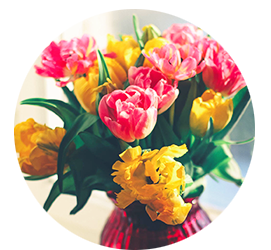
One of the most striking tulip facts is the sheer diversity of their colors and shapes. Tulips appear in every hue imaginable--from pure white and sunshine yellow to deep purples and striking reds. However, there's one shade you'll never find: truly blue tulips do not exist naturally.
- The blue pigment needed for that vibrant color is absent from tulip genetics.
- Horticulturists have spent decades crossbreeding and experimenting in hopes of creating a true blue tulip, but so far, only purple or lilac hues come close.
- The quest for blue tulips continues, making them a "holy grail" for flower breeders.
If you spot a blue tulip, it's likely been dyed or digitally altered. This rare tulip fact adds a level of mystique, making every bunch all the more fascinating.
4. Tulip Petals Are Edible--and Were a Wartime Lifesaver
Did you know tulip petals are not just beautiful, but edible? While most people grow tulips for their ornamental value, some varieties have found their way into culinary use. During World War II's Hunger Winter in the Netherlands, food scarcity saw people turn to tulip bulbs out of desperation.
- Tulip bulbs and petals provided vital nutrition when groceries became hard to come by.
- Several recipes--including tulip bulb bread and stew--were created in response to wartime shortages.
- Tulip petals are said to have a mild, slightly sweet flavor and have been used in modern salads and as garnishes.
It's important to note: not all tulip varieties are safe to eat; some bulbs and petals can be toxic if consumed in large amounts or prepared incorrectly. Foragers and chefs alike should research thoroughly before adding them to any dish.
This extraordinary tulip fact highlights the flower's unexpected role in survival and culture, making it far more than just a garden delight.
5. Tulips Were Used as Currency
Tulips' captivating beauty and rarity once made them so valuable that they functioned as a form of currency in Holland during the 17th century. At the pinnacle of Tulip Mania, certain tulip varieties were exchanged for:
- Land, livestock, and even entire homes!
- Some recorded sales included shopping lists with luxury items, all traded for a single prized tulip bulb.
This mind-blowing tulip fact underscores just how powerful the passion for these remarkable flowers became. Can you imagine purchasing property today with a handful of flowers? The historical significance of tulip currency remains one of the most unique episodes in floral lore.
6. Tulips Respond to Light--Even After Cutting
Tulips are among the rare cut flowers that continue to grow and move after being harvested. This phenomenon is known as phototropism, where the flower bends and turns toward light sources, much like following the sun.
- Even after being placed in a vase, tulips can grow up to an inch per day!
- Their stems twist and curve to optimize their exposure to light, creating dynamic, ever-changing floral arrangements.
- If you notice your tulips drooping or leaning, try rotating the vase or moving it to a different window.
This magical movement is unique among most cut flowers and adds an almost animated quality to tulip bouquets. It's one of the most interesting facts about tulips that will forever change how you see your spring flowers.
7. Tulips Are a Symbol of Love and Prosperity Worldwide
The symbolism of tulips is as rich and varied as their history. Throughout different cultures and centuries, these flowers have represented everything from pure love and charity to eternal life and prosperity.
Meaning of Tulip Colors:
- Red tulips symbolize true love and passion.
- White tulips represent forgiveness and purity.
- Yellow tulips once stood for jealousy, but now more commonly denote cheerfulness and hope.
- Purple tulips signify royalty and dignity.
- Variegated tulips (with streaked petals) are often seen as compliments for beauty or uniqueness.
In Turkey and Iran, tulips remain important motifs in art and poetry, while in the Netherlands, the annual tulip festivals celebrate new beginnings and national pride.
Tulip symbolism transcends borders, making them one of the world's most cherished flowers for special occasions.
Essential Tulip Care Tips for Your Home and Garden
After learning these incredible tulip facts, you might want to grow your own! Here's how you can enjoy vibrant tulip flowers with minimal effort:
- Plant tulip bulbs in autumn, 6 to 8 inches deep, in well-drained soil for the best spring blooms.
- Choose a sunny spot; tulips thrive when they get direct light.
- Water sparingly, as excessive moisture can lead to bulb rot.
- Allow foliage to die back naturally after flowering to nourish the bulb for next year.
With a bit of care, your garden can become a living gallery of colorful tulip varieties--and you'll appreciate each bloom all the more, knowing the stories they carry.
Frequently Asked Questions About Tulips
How long do tulips bloom?
Tulips generally bloom for one to two weeks in spring. Some species and cultivars can extend the blooming period, especially in cool climates.
Can I grow tulips indoors?
Yes! Tulips can be "forced" to bloom indoors by chilling bulbs in the fridge for several weeks before planting them in pots. They add a splash of spring color to windowsills and patios.
Are tulips poisonous to pets?
Tulip bulbs are toxic to dogs and cats if ingested. To avoid accidental ingestion, keep bulbs out of reach and supervise pets in gardens where tulips are planted.
Conclusion: Tulips--More Than Just a Pretty Flower
These seven unbelievable tulip facts demonstrate that the world's favorite spring bloom is steeped in a legacy of wonder, symbolism, and even survival. From their global journey and economic impact to their surprising edibility and continuing intrigue for botanists and flower lovers, tulip flowers remain a source of inspiration year after year.
Next time you spot a field of tulips or a simple bouquet by your window, take a moment to appreciate the layers of history, science, and magic inside each petal. The story of tulips is nothing short of captivating.